🇨🇦 Canadian computer & technology guidance
AboutContact
Home›SSD and Computer Storage Upgrades

Upgrade guide

SSD and Computer Storage Upgrades

Storage upgrades can make an older computer more useful, but compatibility and backup should be checked before opening the case.

Check the interface first

Desktop and laptop systems may support 2.5-inch SATA drives, M.2 SATA drives, NVMe drives or a combination. Physical M.2 size does not guarantee protocol compatibility. Check the manufacturer documentation or motherboard manual before buying.
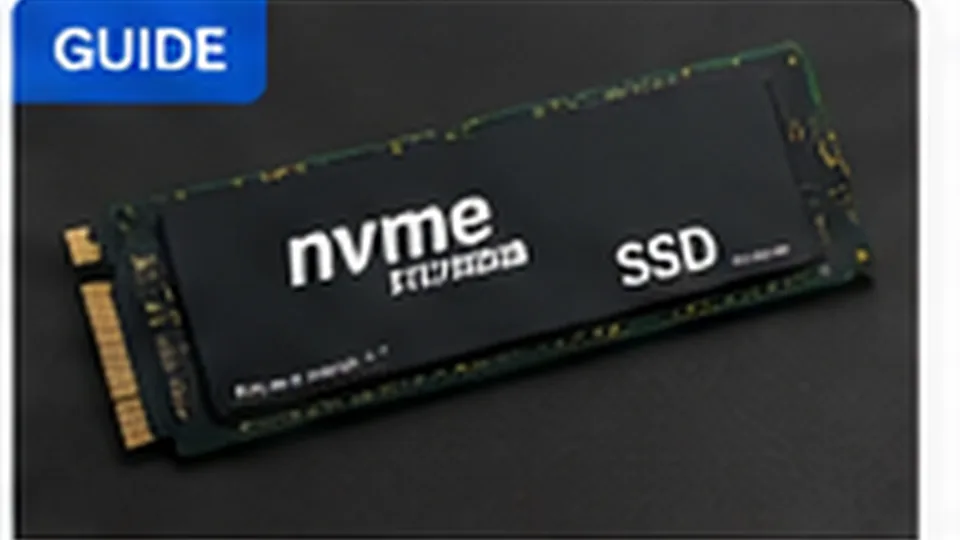
NVMe solid-state storage
Check interface compatibility, physical size and backup requirements before replacing or adding storage.

Choose capacity with headroom

Leave free space for operating-system updates, temporary files and application growth. If a 512 GB drive is already nearly full, replacing it with another 512 GB drive does not solve the underlying capacity problem.

Back up before migration

Cloning software can simplify migration, but important files should be independently backed up first. After the upgrade, keep the old drive untouched until the new system has been tested and critical data verified.

Compatibility first

NVMe, SATA and external storage are not interchangeable choices

NVMe M.2 SSDFast internal storage for systems with a compatible M.2 slot and protocol support.
2.5-inch SATA SSDUseful for older laptops and desktops with SATA bays; much faster than a hard drive for OS use.
External SSD / HDDBest for portable projects, backups and capacity that does not need to live inside the computer.

Before buying an internal drive, verify physical size, interface, available slots, BIOS support and whether opening the system affects service procedures.